April 22, 2023
What Is A Platelet-Rich Plasma Injection For The Foot / Ankle
Platelet-Rich Plasma (PRP) therapy is one of the most exciting advances in regenerative medicine for foot and ankle conditions. Rather than relying on surgery or long-term medication, PRP harnesses your body's own natural healing power to repair damaged tissue, reduce inflammation, and relieve chronic pain.
What Is PRP?
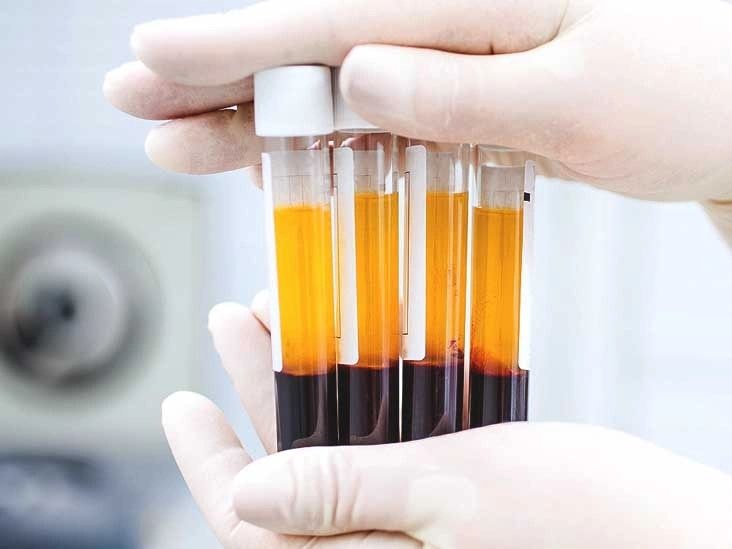
Platelets are tiny blood cells that play a crucial role in healing. They contain hundreds of proteins called growth factors that signal the body to repair injured tissue. In a PRP injection, we draw a small amount of your own blood, spin it in a centrifuge to concentrate the platelets, and then inject that concentrated solution directly into the injured area.
Because PRP comes from your own blood, there is virtually no risk of allergic reaction or rejection. The procedure is minimally invasive and typically performed right in the office.
What Conditions Can PRP Treat?
- Plantar fasciitis — chronic heel pain caused by inflammation of the plantar fascia
- Achilles tendonitis — degeneration and pain along the Achilles tendon
- Posterior tibial tendonitis — a common cause of flat foot and inner ankle pain
- Ankle sprains — ligament injuries that haven't healed with conventional treatment
- Arthritis — joint inflammation and cartilage breakdown in the foot or ankle
- Morton's neuroma — nerve thickening between the toes causing burning or numbness
What to Expect During the Procedure
- A small amount of blood (typically 15–60 mL) is drawn from your arm.
- The blood is placed in a centrifuge and spun for about 10–15 minutes to separate and concentrate the platelets.
- The PRP is drawn into a syringe. Ultrasound guidance may be used to ensure precise placement.
- The injection site is numbed with a local anesthetic, and the PRP is injected into the target area.
Most patients experience mild soreness at the injection site for a few days. This is a normal part of the healing response. You can typically return to light activity within a day or two.
How Long Does It Take to Work?
PRP stimulates a natural healing process, so results are gradual. Most patients begin to notice improvement within 4 to 6 weeks, with continued improvement over 3 to 6 months. Some conditions may require more than one injection for optimal results.
Is PRP Right for You?
PRP is an excellent option for patients who have not responded to conservative treatments such as physical therapy, orthotics, or cortisone injections — and who want to avoid surgery. It is also a great choice for athletes and active individuals who want to get back on their feet as quickly as possible.
Dr. Drucker will evaluate your condition, review your imaging, and discuss whether PRP is the right approach for your specific situation. Call or book online to schedule a consultation.
Ready to get relief?
Dr. Jordan Drucker, DPM — Board-Certified Podiatrist serving New York.
Book an Appointment