November 20, 2022
Foot Health: What To Do About An Ingrown Nail
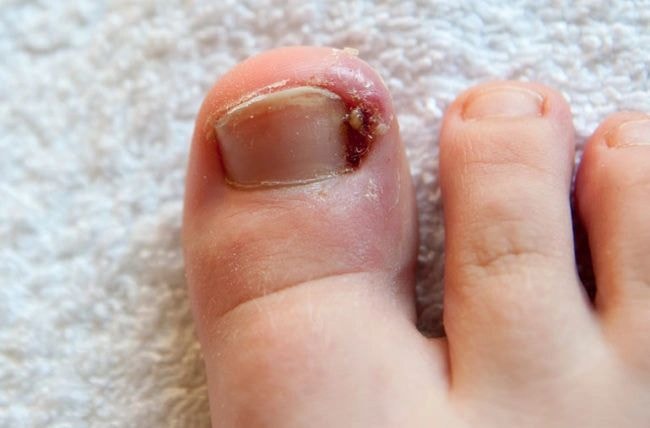
An ingrown toenail occurs when the edge of a nail — most commonly the big toenail — grows into the surrounding skin instead of over it. The result is pain, redness, swelling, and sometimes infection. While it may seem like a minor nuisance, an untreated ingrown nail can become a serious problem, especially for people with diabetes or poor circulation.
What Causes Ingrown Toenails?
- Improper nail trimming — cutting nails too short or rounding the corners encourages the nail to grow into the skin
- Tight or ill-fitting shoes — footwear that crowds the toes puts pressure on the nail edges
- Injury — stubbing your toe or dropping something on it can cause the nail to grow abnormally
- Genetics — some people naturally have curved or fan-shaped nails that are more prone to becoming ingrown
- Repetitive activities — running, dancing, or any sport that puts repeated pressure on the toes
Signs and Symptoms
- Pain and tenderness along one or both sides of the nail
- Redness and swelling around the nail
- Skin that appears to be growing over the nail edge
- Drainage of fluid or pus (a sign of infection)
Home Care for Mild Cases
- Soak your foot in warm, soapy water for 15–20 minutes, 3–4 times a day
- Gently massage the skin away from the nail edge after soaking
- Wear open-toed shoes or sandals to reduce pressure on the toe
- Apply an over-the-counter antibiotic ointment and cover with a bandage
Do not attempt to cut out the ingrown portion yourself — this often makes the problem worse and increases the risk of infection.
When to See Dr. Drucker
- The pain is severe or getting worse
- There is significant swelling, redness, or warmth
- You see pus or drainage — signs of infection
- You have diabetes, nerve damage, or poor circulation in your feet
- Home remedies haven't helped after a few days
Professional Treatment Options
- Partial nail avulsion — the ingrown portion of the nail is removed under local anesthesia. This is a quick, effective procedure with minimal downtime.
- Permanent nail border removal (matrixectomy) — for recurrent ingrown nails, a chemical is applied to prevent that portion of the nail from growing back.
- Antibiotic treatment — if infection is present, oral or topical antibiotics may be prescribed.
Prevention Tips
- Trim toenails straight across — never round the corners
- Keep nails at a moderate length (not too short)
- Wear shoes that fit properly with adequate toe room
- Protect your feet during sports and physical activity
Don't let an ingrown nail slow you down. With prompt treatment, most patients are back to normal activity within days.
Ready to get relief?
Dr. Jordan Drucker, DPM — Board-Certified Podiatrist serving New York.
Book an Appointment